The Arrival
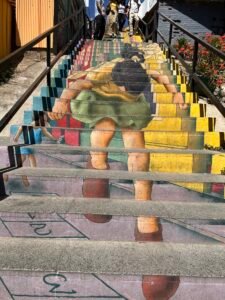
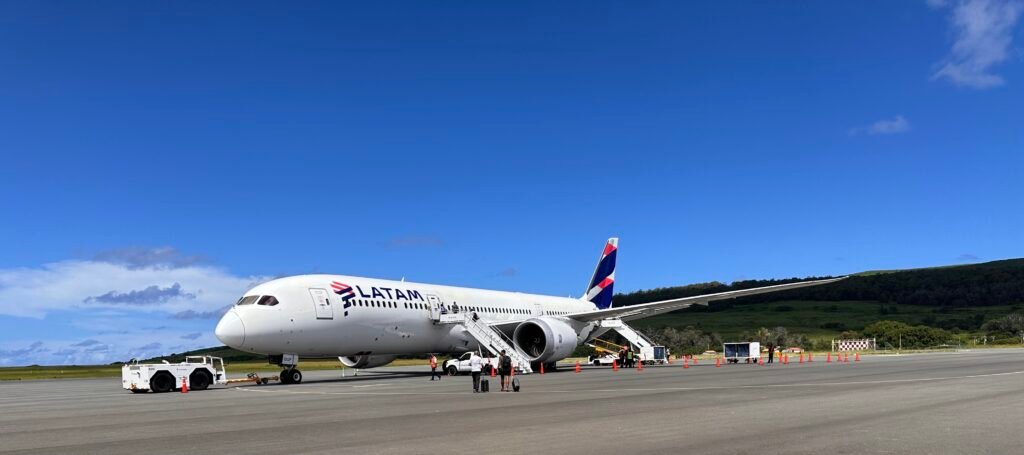
Easter Island has to be one of the coolest and most remote places ever—seriously, it’s over 2,000 miles from the Chilean coast and only a handful of flights come in each week. Landing here felt like a real adventure! Local Rapa Nui were waiting to greet us, and as we walked off the plane, the bright blue sky, soft clouds, and fresh island air hit me all at once. The airport is tiny but super charming, surrounded by wild volcanic scenery. Walking to the airport with the sun on my face and the ocean breeze in the air, I couldn’t help but feel excited for everything Easter Island has in store.
Cool Fact about the Mataveri International Airport
NASA helped build and extend Easter Island’s runway in the 1980s, making it an emergency landing spot for space shuttles. Because the island is so far out in the Pacific, it made sense as a backup during launches. Now, Mataveri International Airport has one of the longest runways in all of Polynesia—even though no space shuttle ever actually landed here. Still, it’s pretty wild to think about!
Feeling the warmth of Boutique Hotel Hare Nua
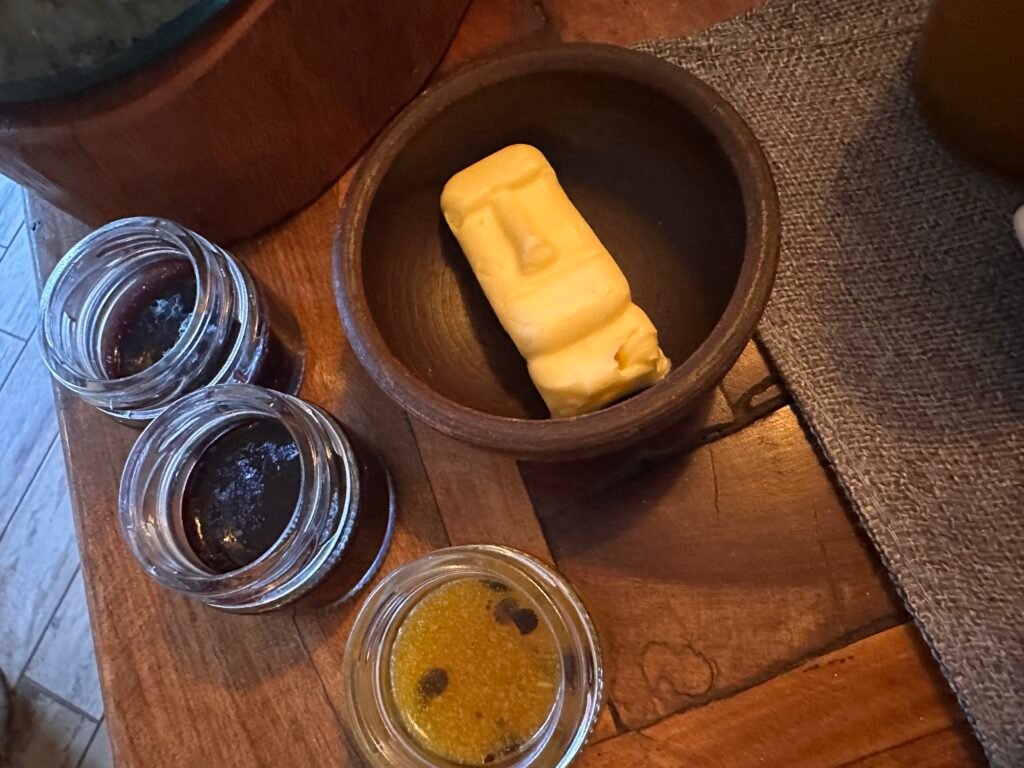
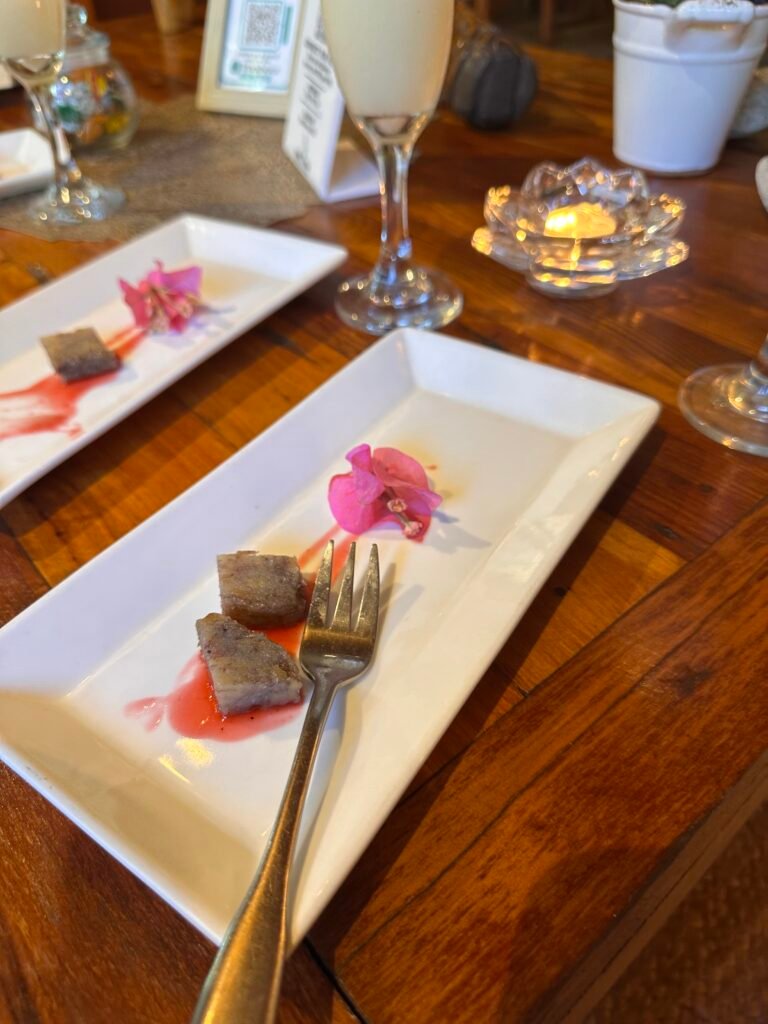
Our hotel, Boutique Hotel Hare Nua, felt like staying at someone’s super cozy grandma’s house—warm, welcoming, and full of island vibes. We got greeted with po’e, a local banana dessert that’s like a cross between cake and pudding (I’m obsessed!). Breakfast was all fresh fruit and fun details, like passion fruit spread shaped like a moai head. Every little touch made it feel extra special.
Hanga Roa: The Island’s Only Town
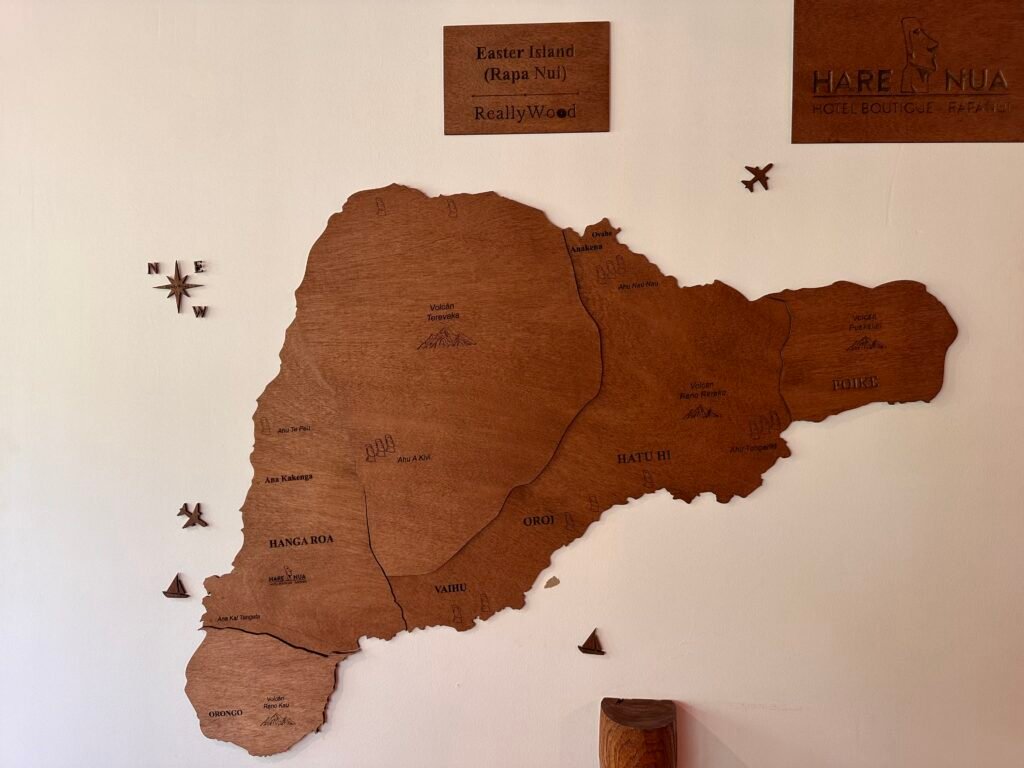
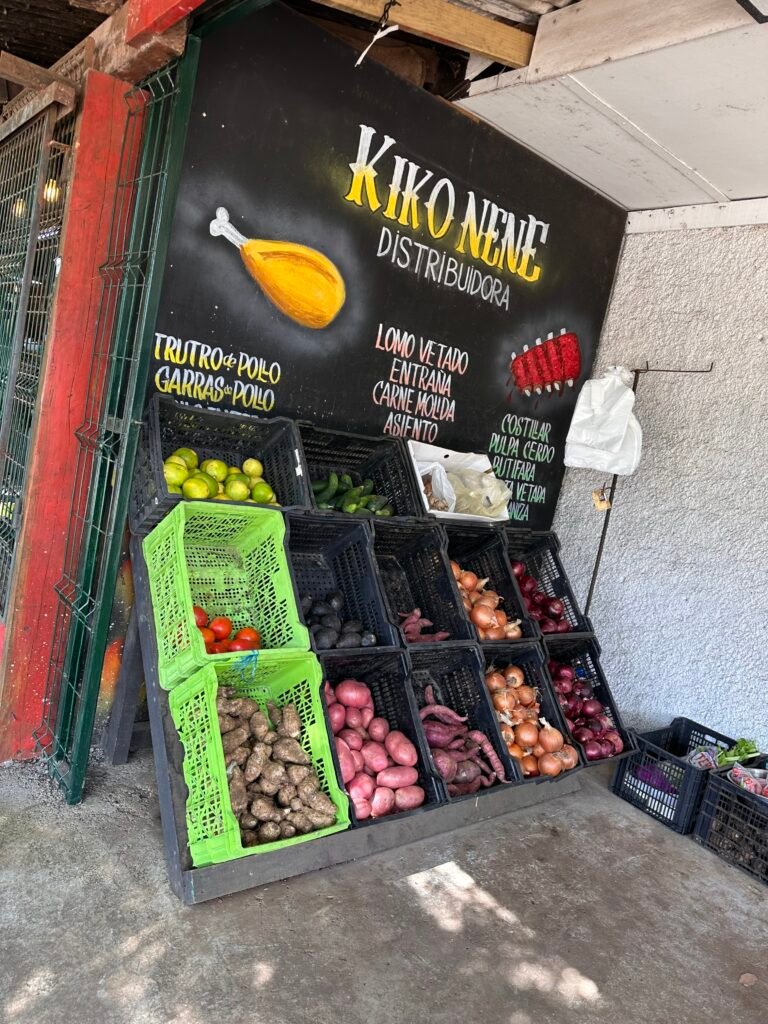
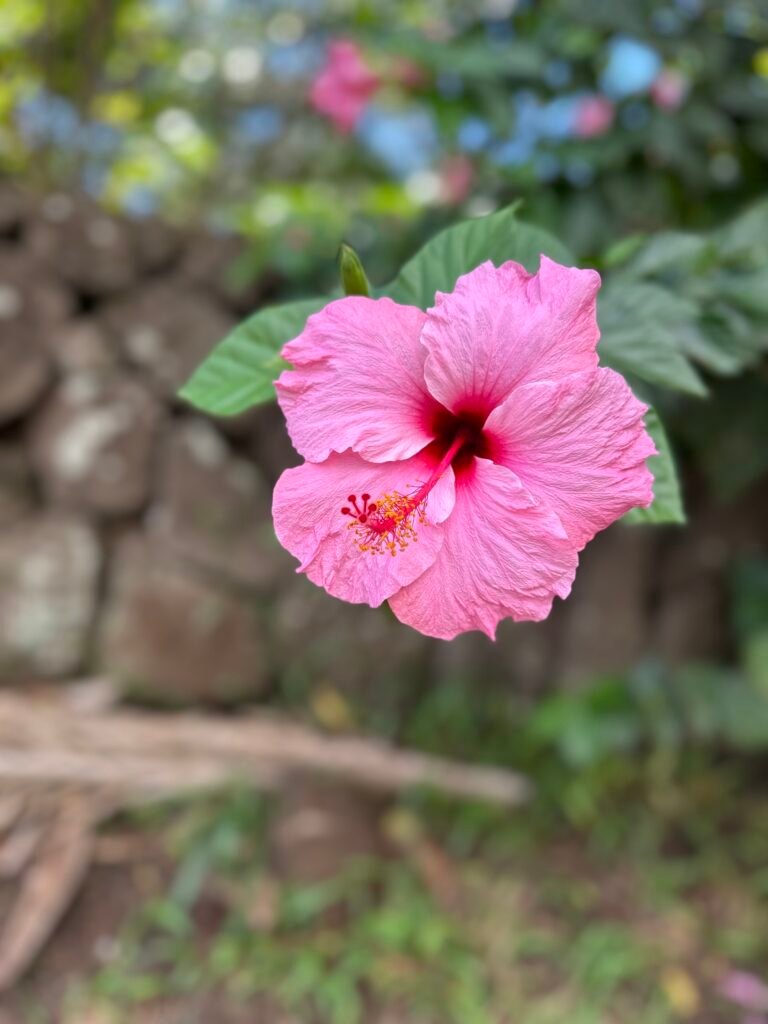
We strolled through the quiet streets of Hanga Roa, the island’s only town—no big chains, just local shops with homemade treats and fresh fruit in wooden crates. Bright flowers, such as hibiscus and plumeria, were everywhere, adding pops of color. The whole place felt peaceful and personal, with friendly faces and hand-painted signs. Only Rapa Nui people can own land here, which helps preserve their culture.
Savoring the Sea: A Celebration of Ocean Bounty
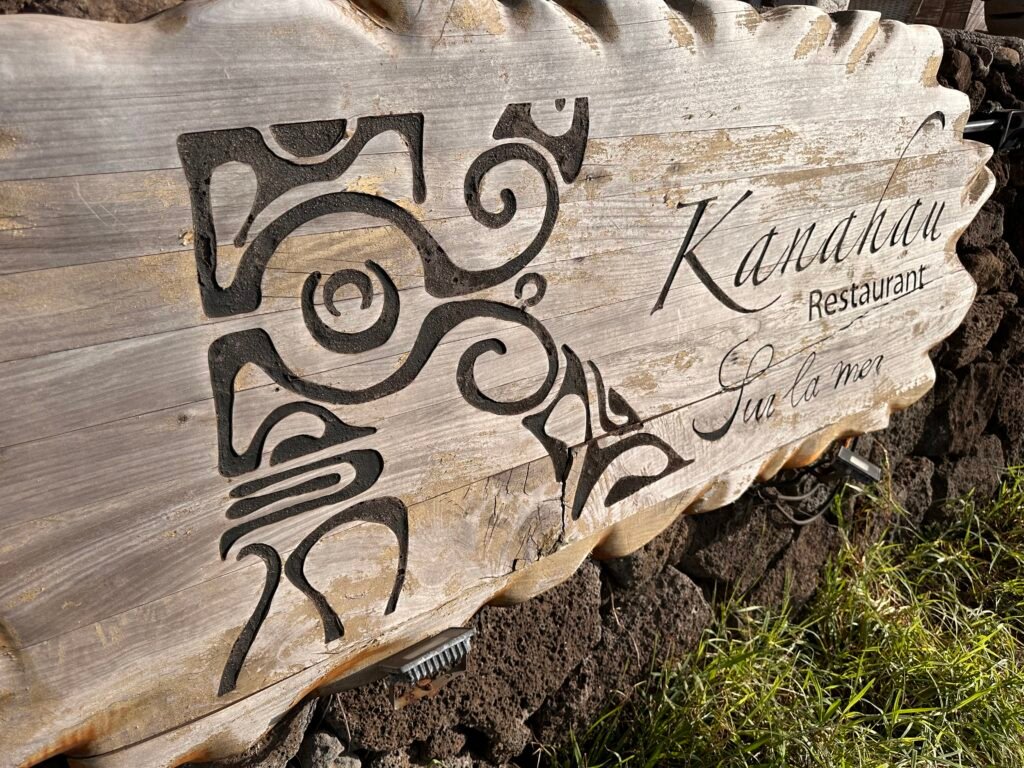
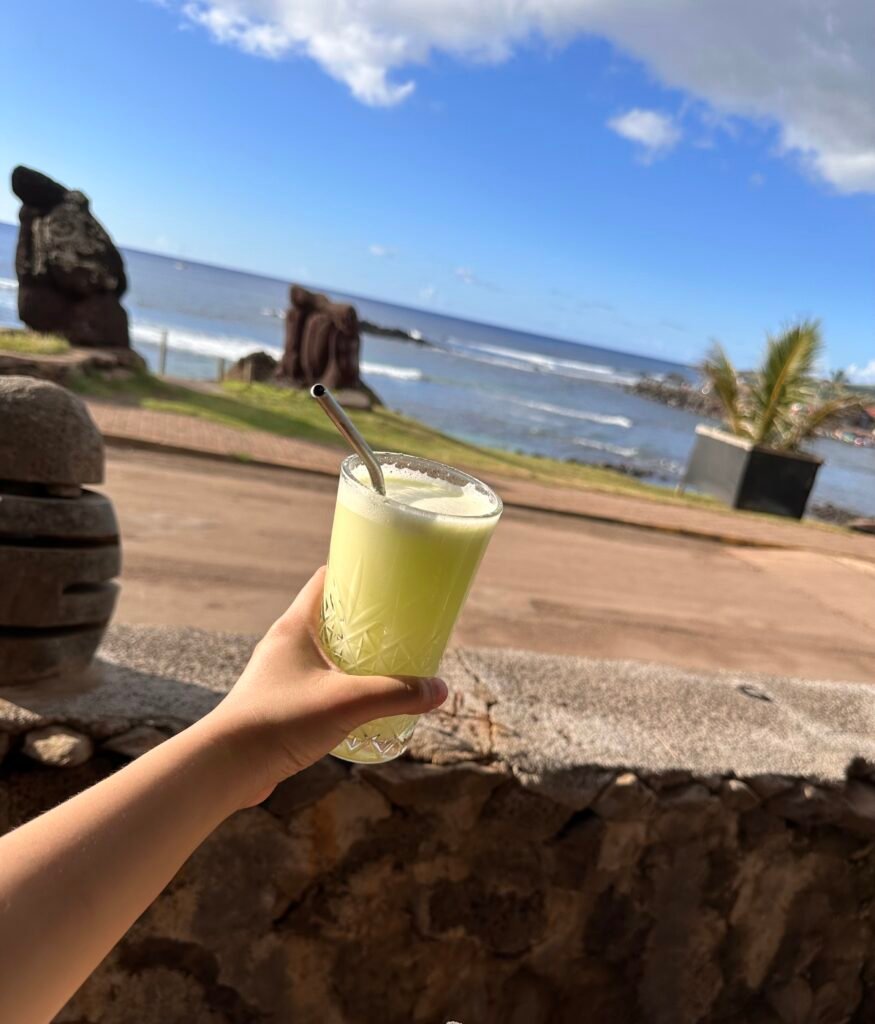
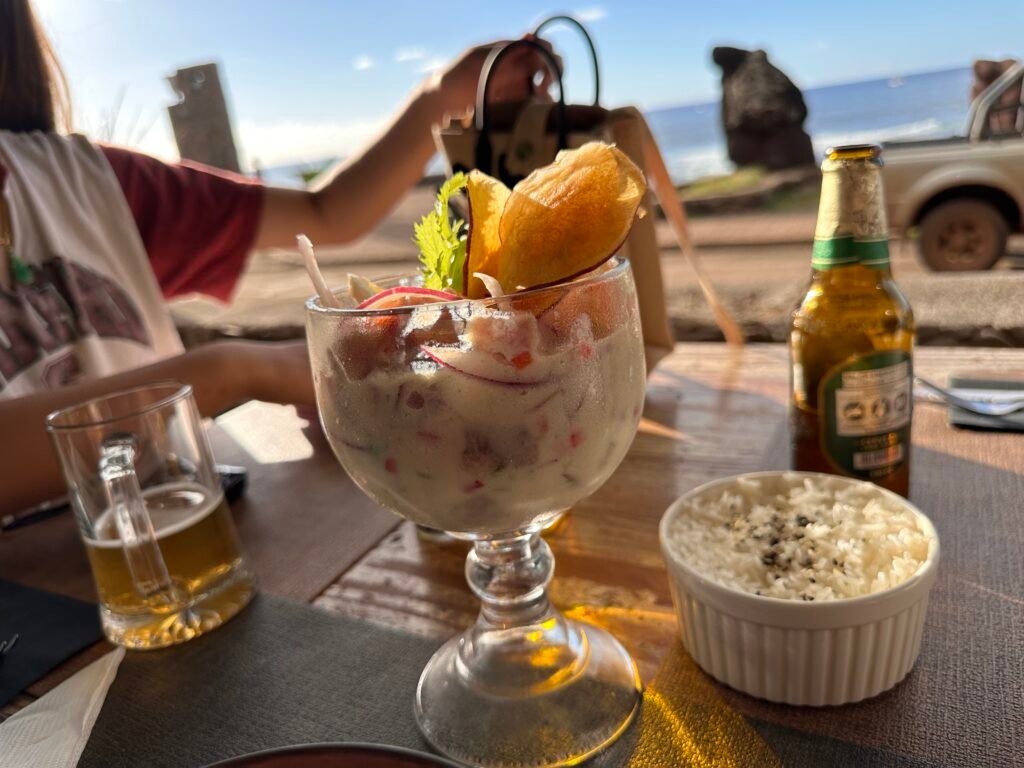
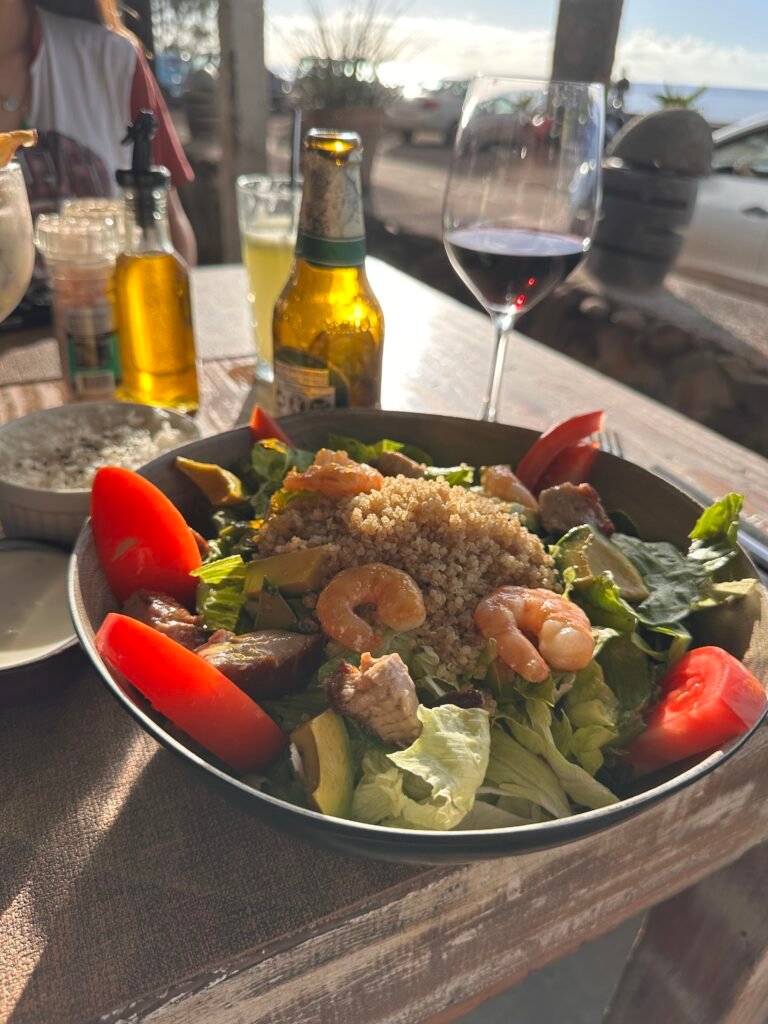
We had our first authentic meal on Rapa Nui at Kanahau, and it was epic—outdoor tables, ocean views, and moai statues just chilling in the background. We feasted on super-fresh ceviche, juicy grilled shrimp, and tart lemonade, all accompanied by the sound of waves in the air. Every bite tasted like pure island magic—so fresh, so good, so totally Rapa Nui.
Moai Statues
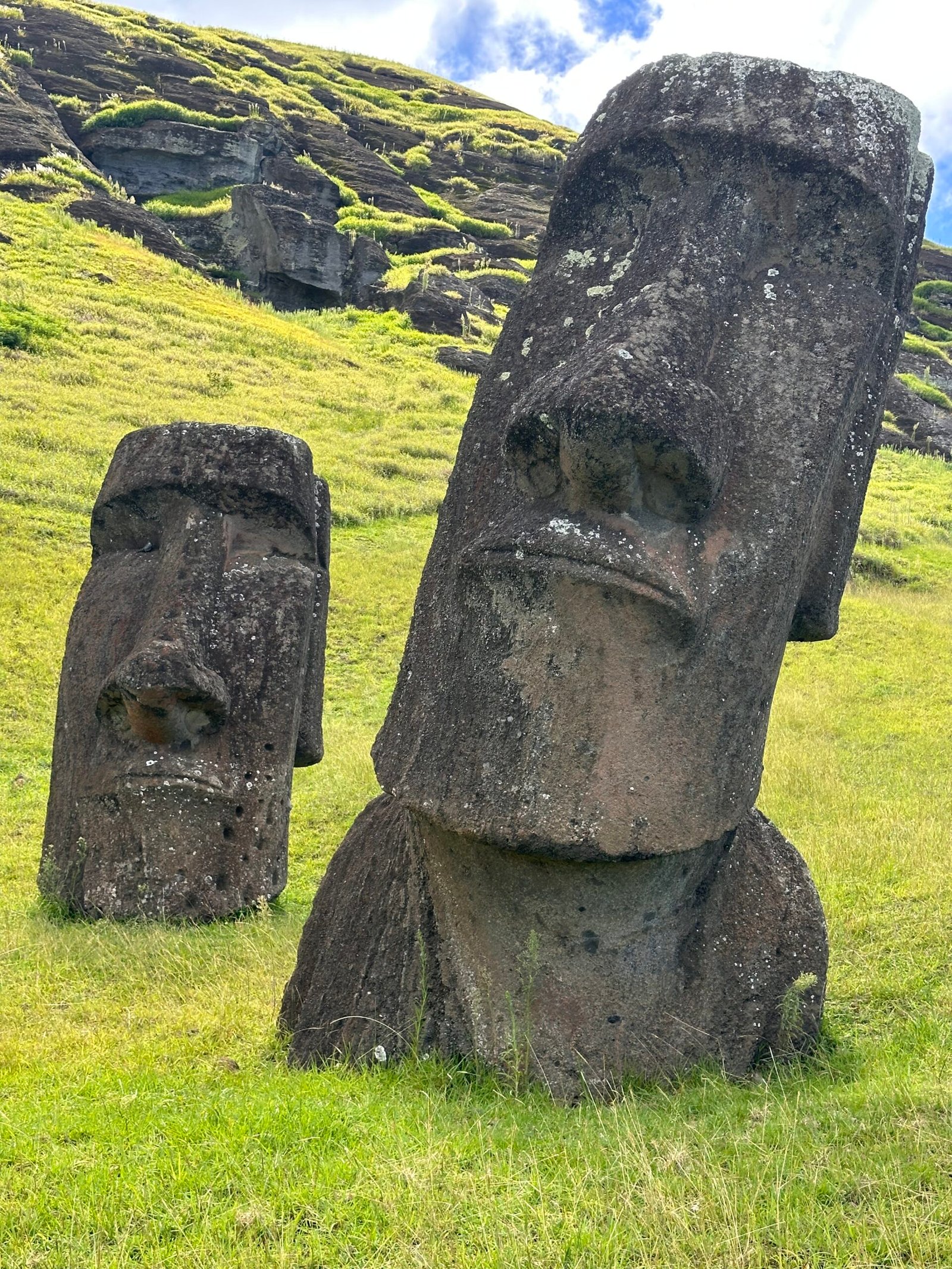
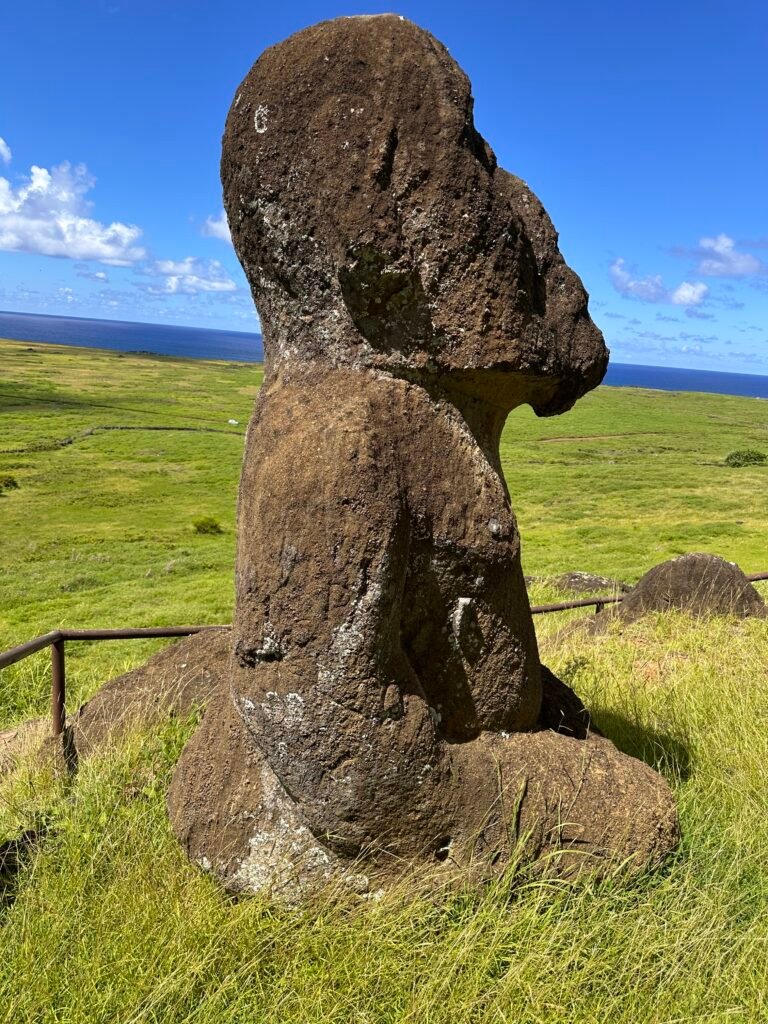
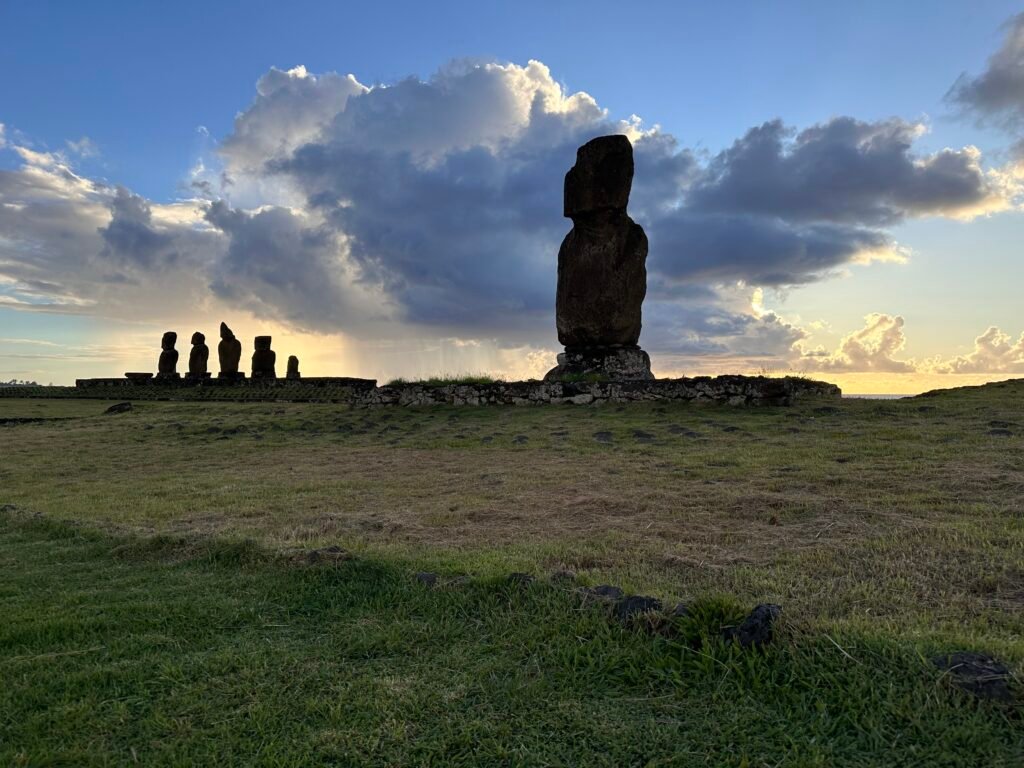
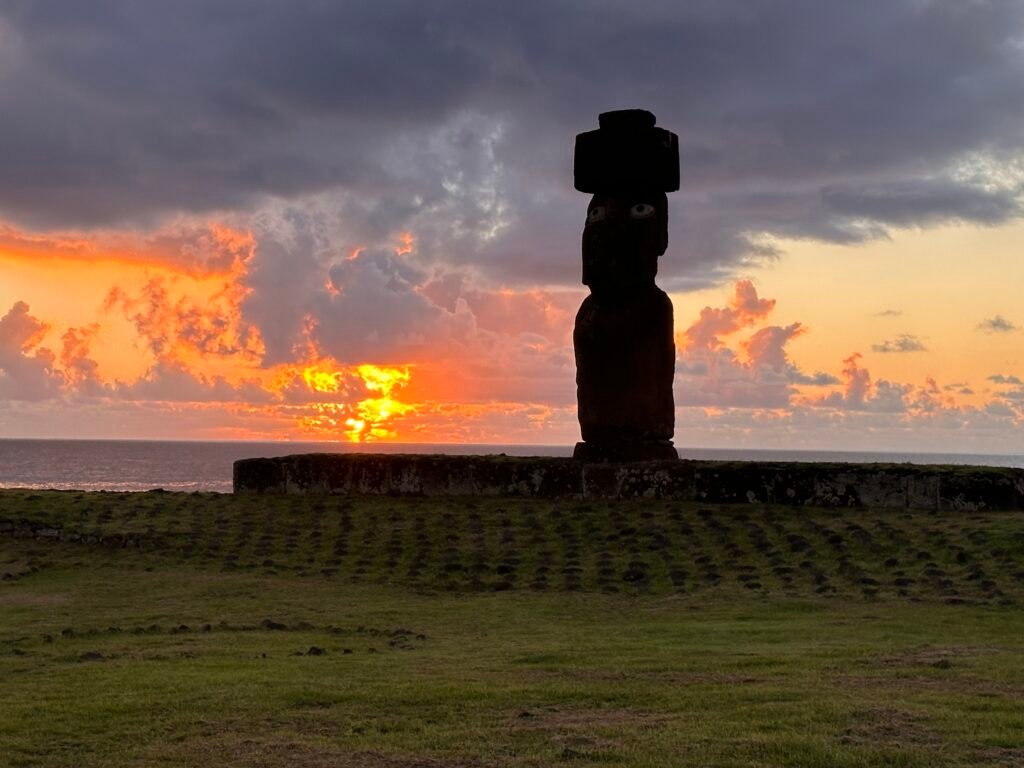
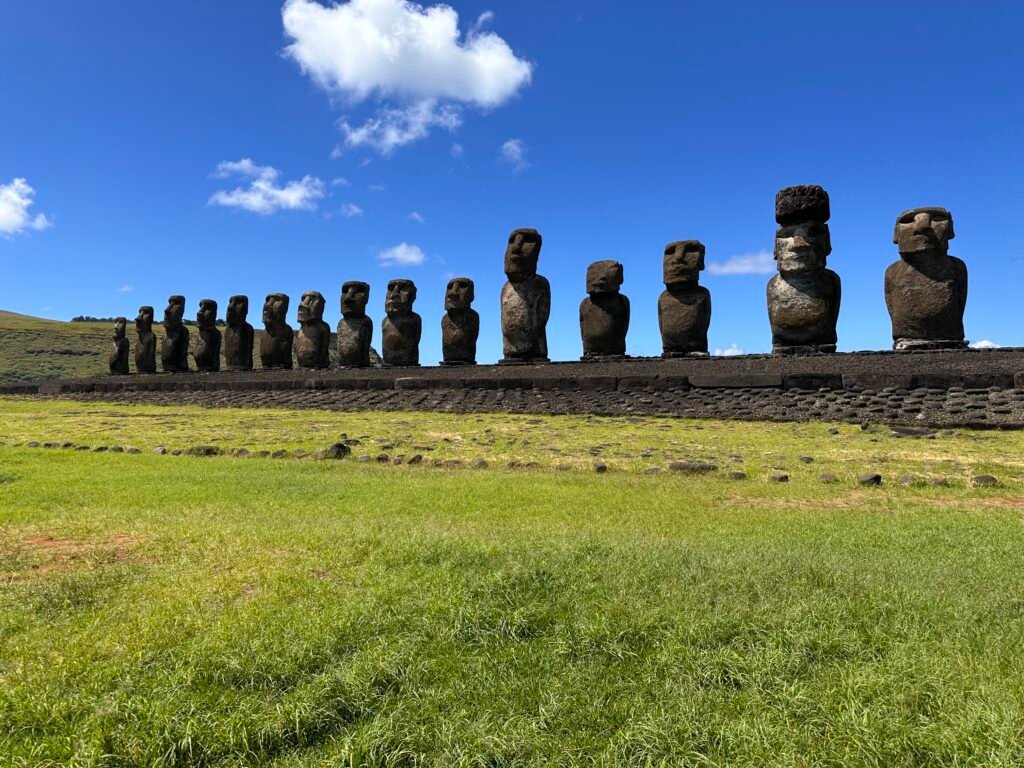
One of the most impressive aspects of Easter Island was standing face-to-face with the moai—the giant stone statues that make this place famous. There are almost 900 of them, each with its own look and personality, carved centuries ago by the early Rapa Nui people. No one really knows how they moved these massive statues across the island, which adds to the mystery (and yes, there are even wild alien theories!). Our awesome local guides told us the moai were meant to watch over the villages and represent the strength of the family. Walking among these stone giants, it’s impossible not to feel a sense of wonder—they’re epic, mysterious, and totally unforgettable.
Rano Raraku, known as the moai “factory,” was one of the most fascinating stops—we saw unfinished statues still embedded in the volcanic rock, as if the carvers had just left. Our guide explained that the moai were carved with a slight forward lean so they could be “walked” upright using ropes, and you can still see the old stone path they used. Nearby, we checked out the first Rapa Nui homes, shaped like upside-down boats and built low to the ground to withstand the wind, along with chicken coops and small gardens. Chickens were a big deal here—more valuable than eggs and saved for special occasions. We also learned that the Rapa Nui people have deep Polynesian roots, tracing back to Taiwan, which makes their story even more remarkable.
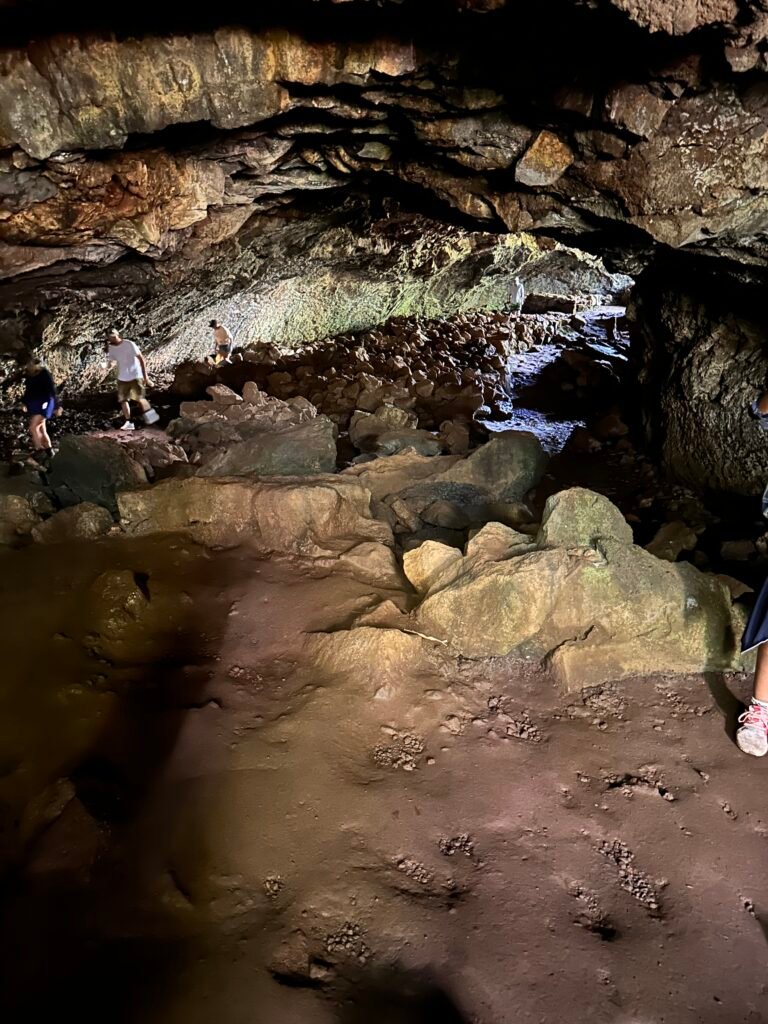
Rano Kau Volcano and Hidden Caves
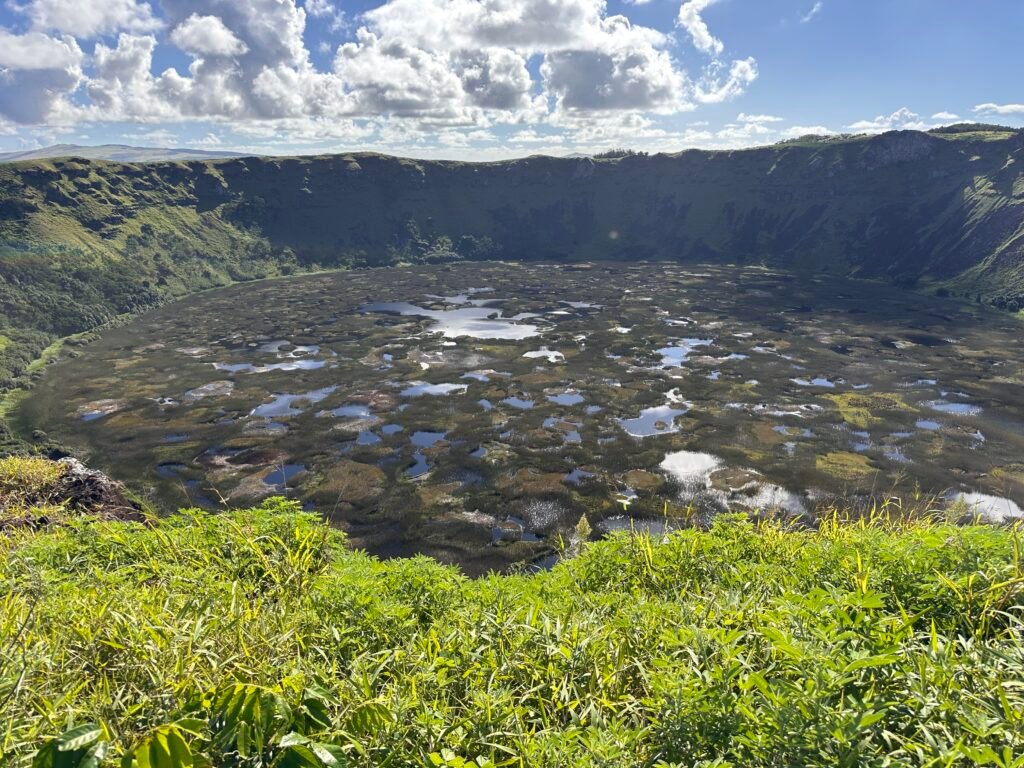
Rano Kau is a dormant volcano on Rapa Nui’s southwest tip, famous for its huge crater and rare freshwater lake. The crater rim hosts the Orongo village, once the site of the Birdman competition, with stunning views of the ocean and nearby islets. Its unique microclimate shelters rare plants, making it both an ecological hotspot and a symbol of spiritual power—though erosion and rising sea levels now threaten this special place.
Reflections
Rapa Nui amazed me with its wild beauty, deep history, and sense of mystery around every corner—from the towering moai to hidden lava caves. The island’s spirit lives on in its landscapes and people, making every moment feel like a step back in time. It’s a place that leaves you full of wonder and respect for its enduring culture.